
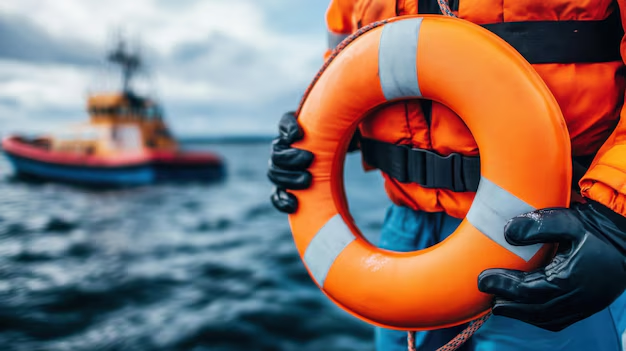
Marine operations involve constant exposure to unpredictable weather, mechanical risks, and emergency situations. Whether it is a cargo ship, offshore vessel, or fishing boat, having the right safety equipment on board is not optional—it is a critical requirement for protecting lives, assets, and operations.
This guide highlights the 8 essential marine safety equipment items every vessel must have to ensure compliance, safety, and operational readiness.
Top 8 Marine Safety Equipments Essentials for Every Vessel
A complete marine safety equipments checklist is necessary before any vessel departure. This ensures that all safety systems are functional and ready for emergencies. Life jackets must be available and properly fitted for every person onboard. Fire extinguishers should be placed in accessible locations throughout the vessel. Life rafts must be inspected regularly and ready for quick deployment. Emergency flares and distress signals are important for visibility during rescue operations. First aid kits must be fully stocked with essential medical supplies. Following a proper marine safety equipment checklist helps maintain safety standards and prevent accidents at sea.
1. Life Jackets (Personal Flotation Devices)
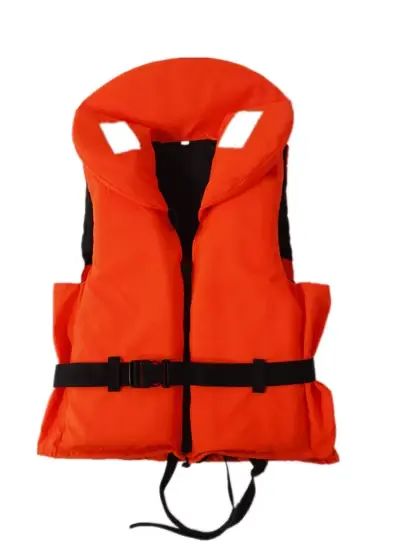
Life jackets are the most basic and most important marine safety equipment on any vessel. They are designed to keep a person afloat in water and reduce the risk of drowning.
Every crew member and passenger must have access to a properly fitted life jacket. Modern life jackets also come with reflective strips and whistles for easier rescue detection.
2. Life Rafts
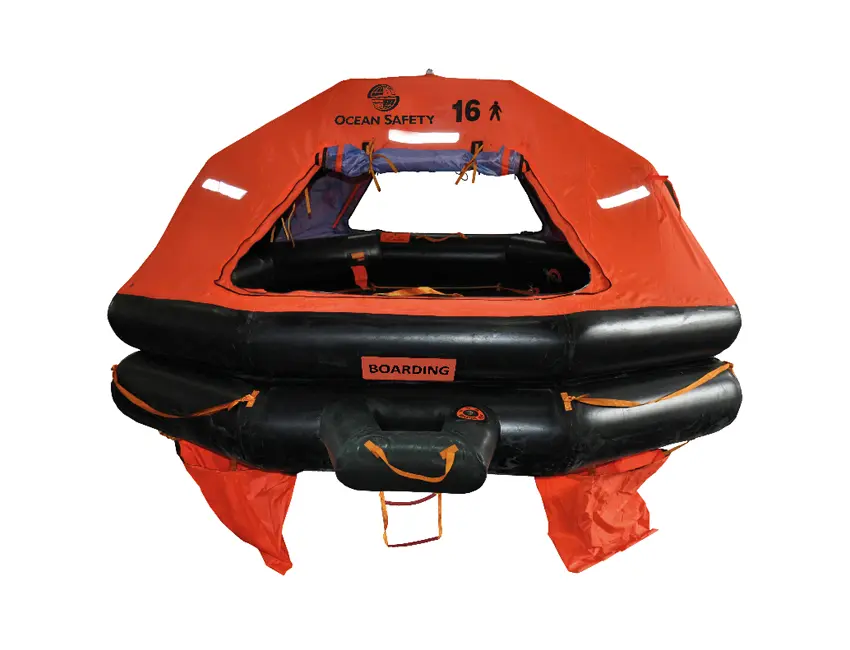
Life rafts are inflatable emergency boats used when abandoning a vessel. They are designed to keep passengers safe until rescue arrives.
Key features include:
- Automatic inflation system
- Emergency survival kits
- Capacity for multiple passengers
- Protection from weather conditions
Life rafts must be regularly inspected and serviced to ensure reliability.
3. Fire Extinguishers
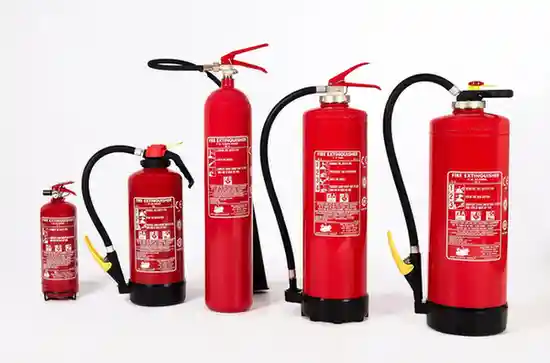
Fire is one of the most dangerous risks at sea due to confined spaces and fuel storage.
Vessels must carry different types of fire extinguishers:
- Foam extinguishers (for liquid fires)
- CO₂ extinguishers (for electrical fires)
- Dry powder extinguishers (for general use)
Regular maintenance and crew training are essential for effective use.
4. Emergency Position Indicating Radio Beacon (EPIRB)
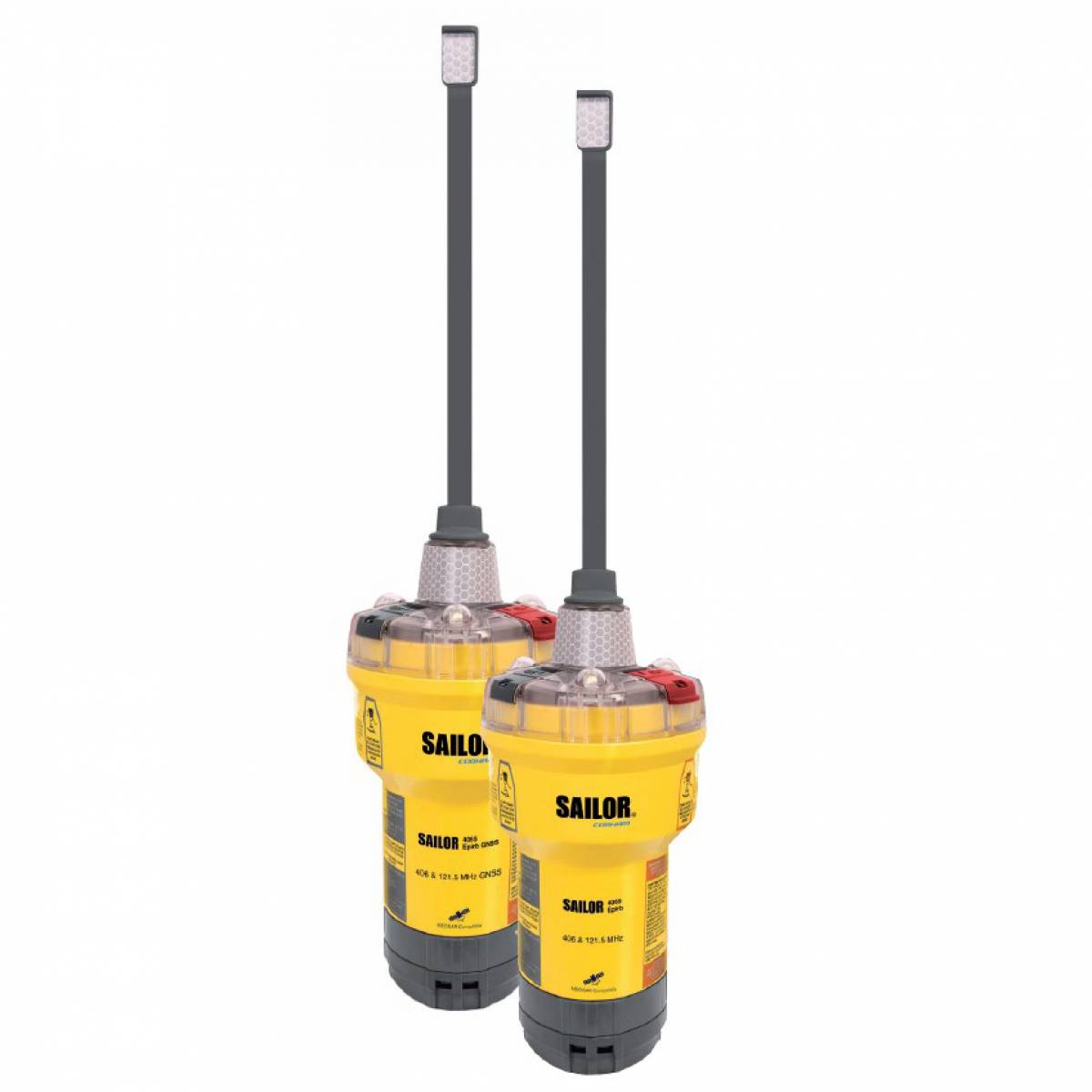
An EPIRB is a life-saving device that sends distress signals to search and rescue authorities when activated.
Once triggered, it transmits:
- Vessel location via satellite
- Emergency identification signal
- Continuous distress alert
This equipment significantly increases rescue response speed.
5. First Aid Kit
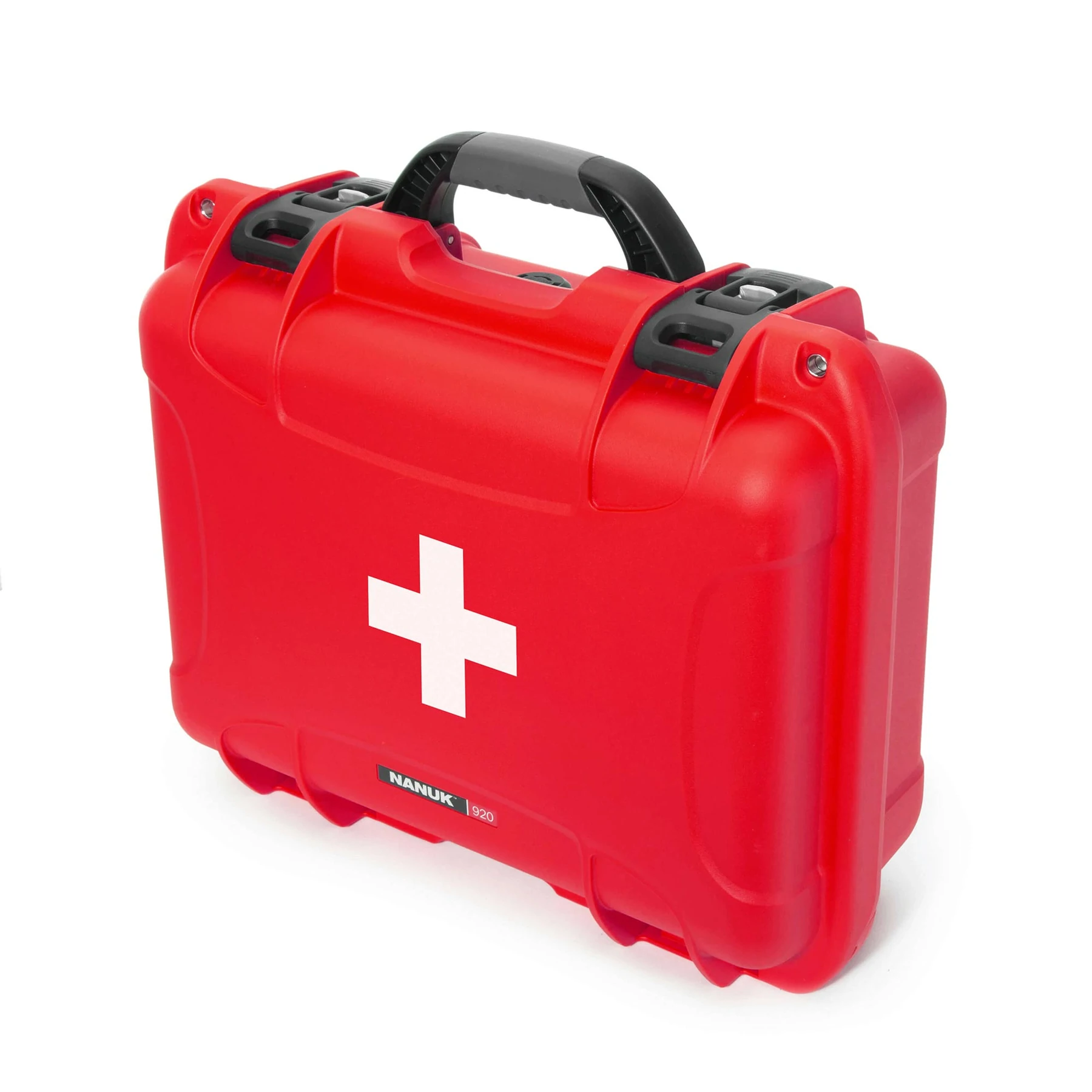
A well-stocked marine first aid kit is essential for handling injuries before medical help is available.
It should include:
- Bandages and antiseptics
- Pain relief medication
- Burn treatment supplies
- Motion sickness tablets
- Emergency medical tools
Crew members should also be trained in basic first aid.
6. Distress Signals and Flares
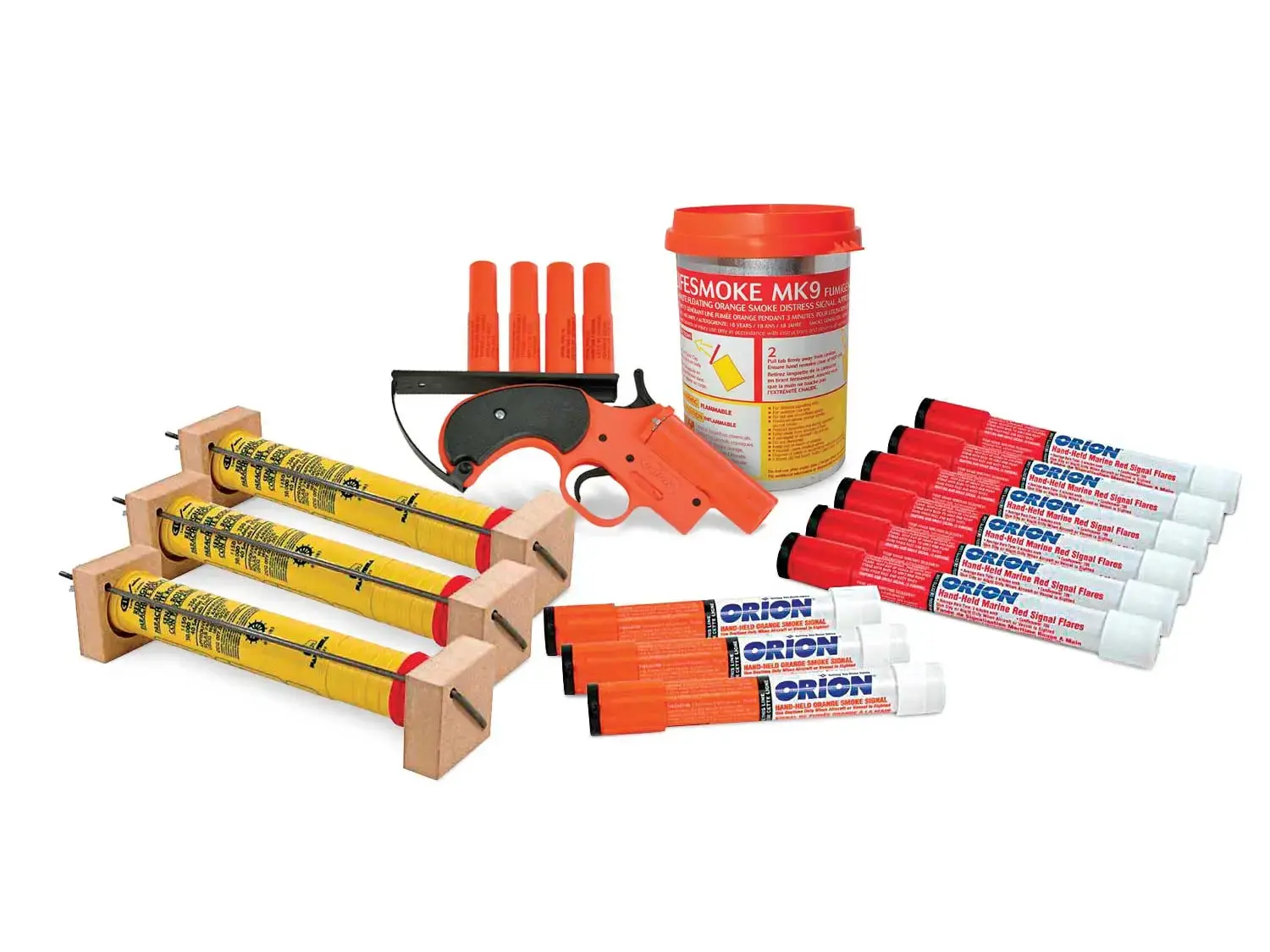
Flares and distress signals are used to attract attention during emergencies, especially at night or in low visibility conditions.
Common types include:
- Handheld flares
- Parachute rockets
- Smoke signals
These should be stored in waterproof containers and replaced before expiry.
7. Fire Detection and Alarm System
Early fire detection can prevent major disasters on vessels.
A proper system includes:
- Smoke detectors
- Heat sensors
- Alarm panels
- Automatic warning alerts
This ensures immediate response before fire spreads.
8. Safety Harness and Lifelines
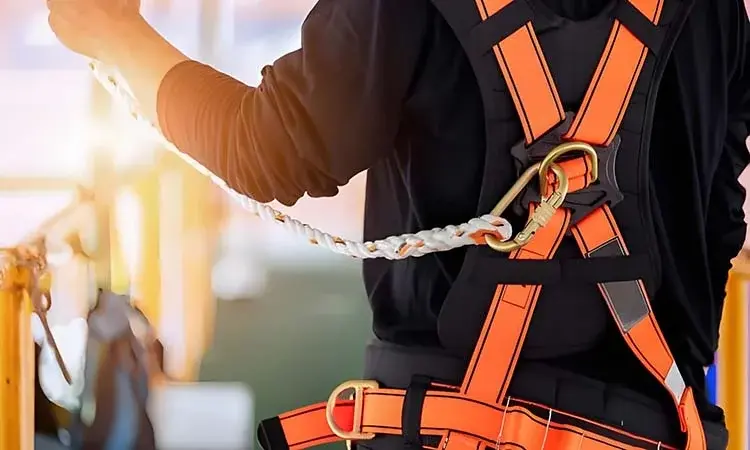
Safety harnesses are used to prevent falls when working on deck, especially during rough sea conditions.
They are essential for:
- Maintenance work
- High-deck operations
- Emergency situations
When connected to lifelines, they significantly reduce accident risks.
Marine safety is not just about compliance—it is about protecting lives and ensuring smooth operations at sea. Having the right marine safety equipments onboard every vessel is essential for emergency preparedness and operational reliability.
Companies involved in marine operations should always invest in certified, high-quality equipment and ensure regular inspection and maintenance.